

- Mezzanine floor office 02, Rawadat Al wasl bldg - Sheikh Zayed Collector Rd - Al Wasl - Dubai, UAE
- 10:00 am - 1:00 pm & 3:00 pm - 6:00 pm ( Mon - Sat)
- +9714 3434811
- +971 55 5918602
- [email protected]
Subscribe to get our latest updates:

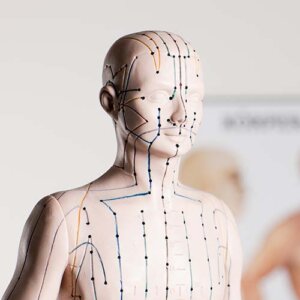
TCM theory is based on balance, harmony, and energy. its basic concept is that a vital force of life, called Qi, surges through the body. Any imbalance to Qi can cause disease and illness. This imbalance is most commonly thought to be caused by an alteration in the opposite and complementary forces that make up the Qi. These are called yin and yang. There are two central ideas behind TCM:
Qi: This is also called life energy or vital energy. The belief is that it runs throughout your body. It’s always on the move and constantly changes. TCM treatments often focus on ways to promote and maintain the flow of qi.
Yin and Yang: These are opposites that describe the qualities of qi.
The belief is that everything in life has a little bit of its opposite, too, and balance is the key. For example, a drug from your doctor might heal disease. But it’s dangerous if you take too much of it.
According to TCM, these ideas play out in our bodies. When you balance the yin and yang of Qi, you feel healthy and well. If they’re out of whack, you feel sick. TCM aims to create harmony and a healthy flow of qi.
 They include:

Ancient TCM concepts emphasize a natural, preventive approach such as acupuncture and moxibustion, which may help improve quality of life and certain pain conditions.
These are the top five health benefits of TCM for your body:

Traditional Chinese Medicine (TCM) treats a number of issues and approaches treating ailments from a holistic perspective. TCM can treat chronic and/or acute problems, a variety of symptoms are treatable as following:
Yes. TCM is an approach that covers a lot of ground, and results vary. There is a growing body of solid evidence that suggests acupuncture and TCM are safe and effective for the treatment of many conditions. This is especially true of acupuncture, tai chi, cupping, and moxibustion. Studies show a lot of promise:
Yes, acupuncture is considered a safe and well-established treatment when performed by a trained professional. At our clinic, all of our acupuncturists are fully certified and have undergone extensive training to ensure that your treatment is both effective and safe. We adhere to the highest standards of practice and use only the best quality, sterile needles. Acupuncture is a gentle, non-invasive procedure that works with your body to restore balance and encourage healing,with minimal risks involved.
Acupuncture needles are extremely fine and are generally painless. If the patient feel nervous, it might cause a slight soreness and swelling as the needle is inserted. However, the pain sensation varies from person to person. If the patient is relaxed, this sensation typically fades quickly.
Acupuncture emphasizes the sensation of Qi (de qi), which is defined as numbness, swelling, and heaviness, rather than pain. If this sensation is absent, the practitioner will manipulate the needles and stimulate the acupuncture points to stimulate it. Sometimes, patients may experience numbness or an electric shock along the meridians, which is normal. Our acupuncturists will continuously check to ensure your comfort and relaxation throughout the treatment.
In both practices, a needle is inserted into specific points to reduce pain. However, but there are key differences between the two:
—The purpose of the procedure: Acupuncture is designed to alleviate pain or treat health conditions by altering the flow of chi, while dry needling utilized evidence-based techniques to treat specific conditions.
—A final distinction rests in penetration points: Dry needling penetrates the skin at specific trigger points to release tension and induce a healing response. Acupuncture targets points along meridian lines, representing bodily organs, with the goal of restoring balance and proper energy flow to the patient’s body.
How much does acupuncture cost in Dubai? The cost of acupuncture can vary depending on your personalized treatment plan.Generally,acupuncture sessions typically range from AED 300 to AED 500. At Shanghai Medical Clinic, we provide treatments including Acupuncture, Massage Therapy and Guasha.You are welcome to book with us online.
